

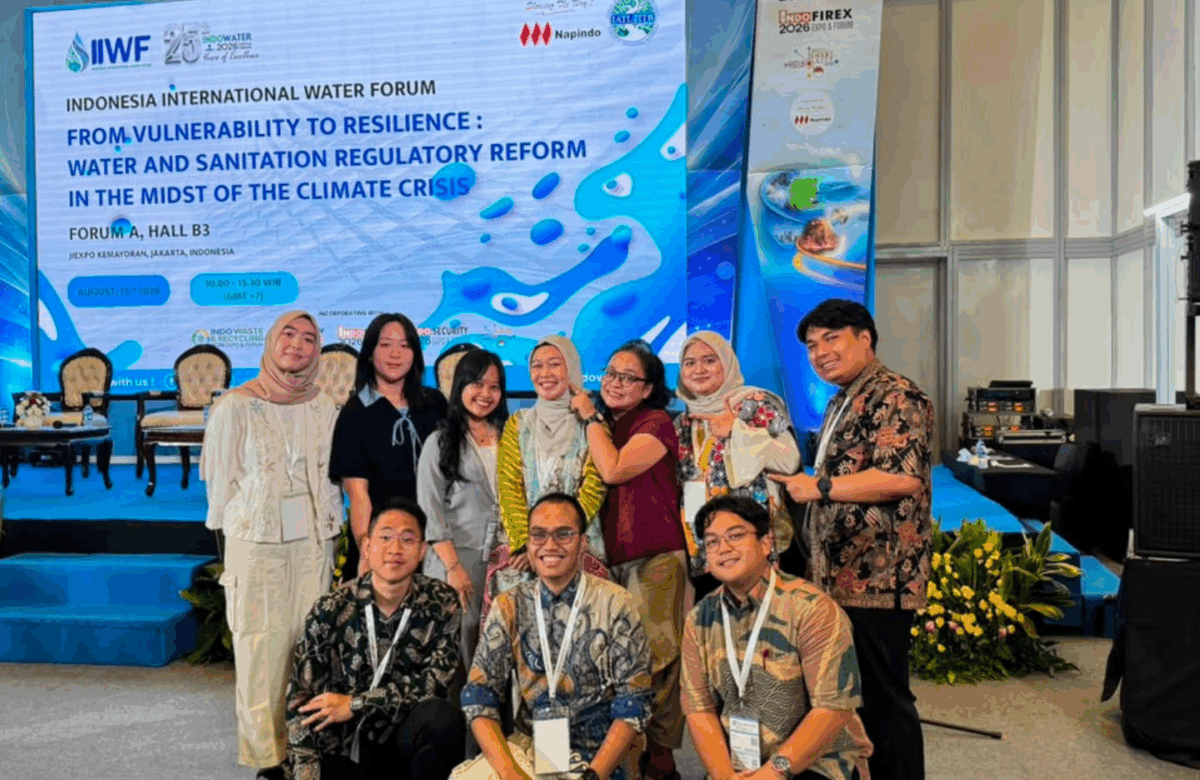
Research are typically boring. Don’t get me wrong, it’s not the science itself, mostly it’s the presentation.
Because maybe you remember the last time you found a great journal amongst many, but when was the last time were you inspired and engaged by research presentation?
This frustrations was triggered at the Indo Water 2026. I found myself furious attending yet another boring line-up of researchers and people in government talking about their work and findings related to water and wastewater. In addition, this national-scale event was attended by policy makers and influential people in the industry. Setting aside poorly managed themes and moderation, each panelist didn’t take the effort to communicate their information effectively, nor interestingly. Most read from a full-written power point. The forum could have been an email.
Mind you, it’s 2026. It’s been about 20 years since I attended events like this and nothing has changed. And these are some of the country’s best minds.
I partially blame scientists and data-driven presenters that were ever appointed a public speaking session. It seems like they (and by they I also mean we) don’t understand that people didn’t wake up early in the morning, head out to a seminar or conference, just to read along something blasted on a screen. It could have been PDF on a website. It’s as if we have all forgotten that we gather in flesh to ignite discussion and have a conversation.
So why bother have conferences? Why present anything offline?
The point of having a presentation is the power of voice, people speaking and talking. Why do we hope for discussion in science if we fail to put effort into communication?
Working in an academic-dominating field, I’ve learned public speaking and presentation rarely becomes a priority. From most of my interaction with researchers, I’ve observed that they hope the data speaks for itself; their findings already interesting. But data doesn’t communicate on its own and papers are aren’t always written well.
Research is not a mere piece of paper. Once a research is completed there should be some effort to communicate it well, better yet, interesting. Because once it’s presented as spicy as the hottest gossip of your favorite celebrity, it might pick up traction and further the research.
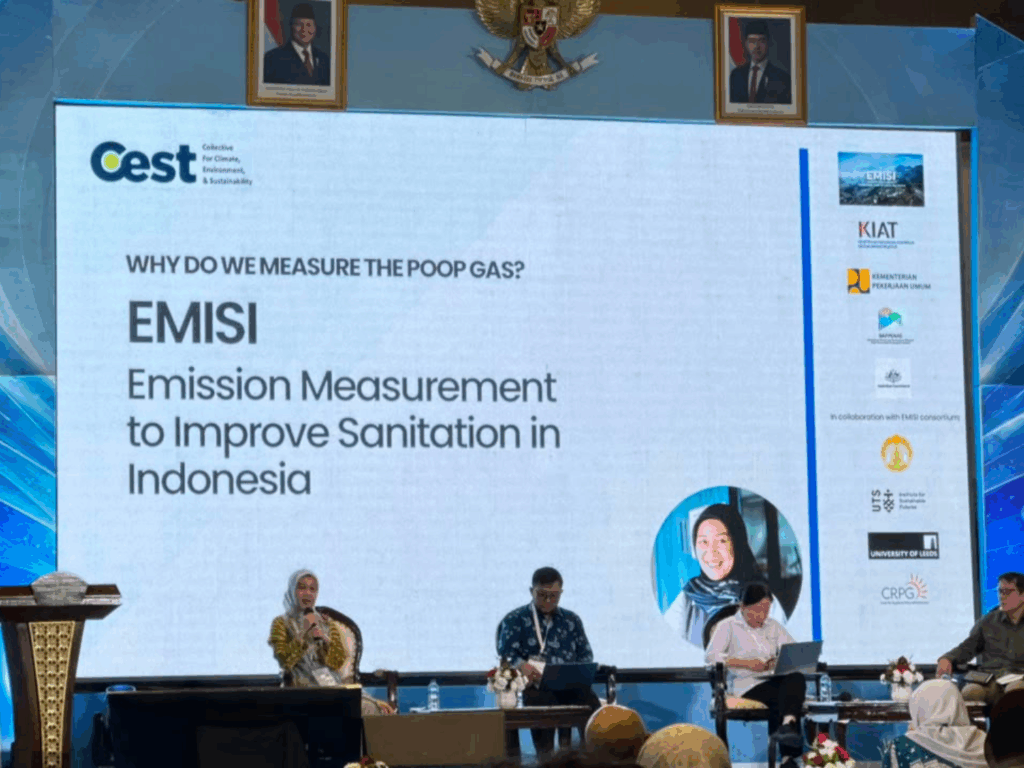
With the understanding of multi-discipline approaches, disseminating science has even reached audiences outside of academics and researchers. Thus, there are efforts in better communication. Recently, 21% of presenters at Ted Talks, a forum designed to share engaging ideas, are academics and scientists (source here). There are lectures held in bars, as science should be enjoyed with a pint, and increasing numbers of presentations held outside of the class rooms for more people that are intrigued to learn. Contrary to beliefs that it would be easier to do, communicating research in public domains demand scientists to communicate their work in an interesting manner and in understandable language.
Ultimately, it creates a space where multiple viewpoints can come together with the (hopeful) result that each participant leaves the conversation with a better appreciation of what others value. (Borowiec BG. Science communication in experimental biology: experiences and recommendations. J Exp Biol. 2023;226(16):jeb245780. [DOI] [PubMed] [Google Scholar])
And you can’t achieve this through an email.
This is especially important in Indonesia, where knowledge and data-driven information needs to be part of the public conversation and improve our lives as basis of regulation and policy making. To achieve better civilization, more people need to understand science.
I get it. The research alone is already a hard task, but being able build enthusiasm might probably help further impact. And before accusing Indonesia seemingly just doesn’t care about science, may we should question ourselves, how have we ever put in the effort to communicate science better?
So, calling to all researchers and those presenting data in forum! Here are some tips on approving a better public speaking during presentation of research.
- Power point with less words is more
- Don’t read from the slides! COMMUNICATE your data dan findings.
- Understand the forum and how your part fits in the panel narrative.
- Understand the audience. Put yourself in their shoes and figure out how they can comprehend what you’re saying.
- Be yourself! It’s not a ceremony, so bring personality.
- Wear something nice, not formal. It’s very different.
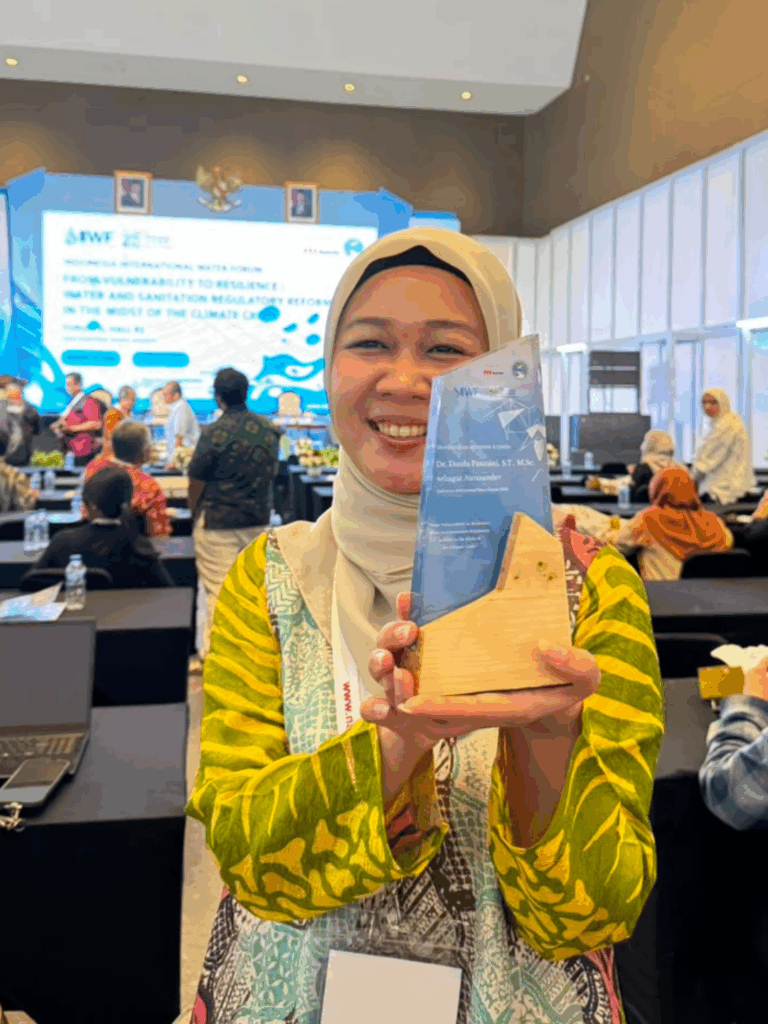
A shout out to Dinda Fauzani, CEST principle researcher, who was willing undergo a quick presentation bootcamp and be more present during her panel. So much improvement!
 English
  Bahasa Indonesia