

For many families in Indonesia, water is god given. Many household still access groundwater from dug up wells in their backyard (if any). It’s convinient and you only have to pay for the electricity that pumps up water, with little risk of dryness.
So when piped water becomes available, a simple question emerges: why change?
Across Indonesia, only 19.76% of urban households are connected to a centralised piped water system. While self-supplied water can serve households well, growing cities bring new challenges. Water quality and contamination can be difficult for individual households to monitor. Centralised systems offer another approach: water can be treated, monitored and managed for entire communities. However, building the pipes is only part of the solution. In Indonesia, piped water is not mandatory, it’s still an option.
That is where an international research team from Universitas Indonesia and the University of Technology Sydney’s Institute for Sustainable Futures comes in. Supported by the Australian Government’s Water for Women program, the team developed a behaviour change intervention to understand what might encourage households to move from private wells towards piped water.
The answer starts with something very human: people change when it matters to them.
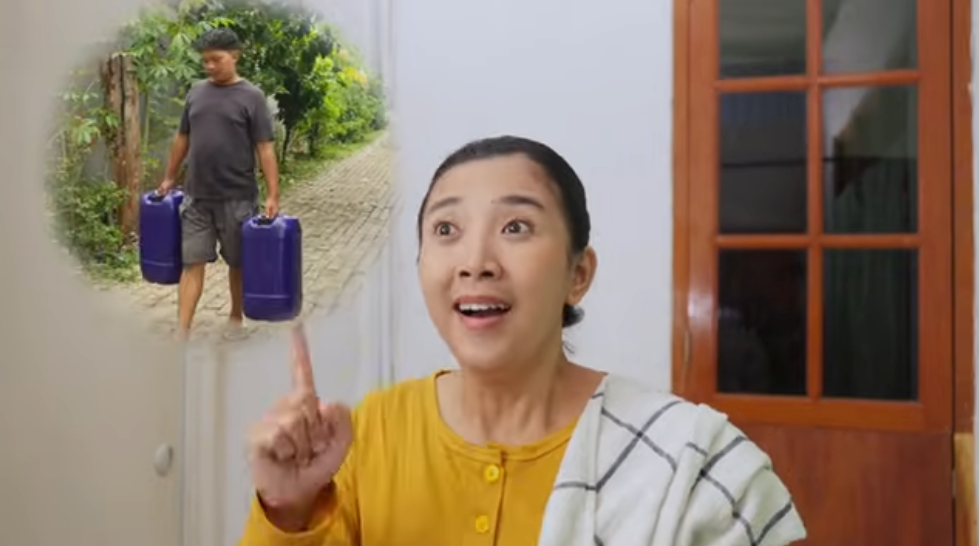
One of the output of the project is production of four short videos featuring real people and places in urban Indonesia. Each tells a different everyday story, but they share one goal: to show how connecting to and using piped water can bring positive changes to household life. The stories explore four motivations identified through the research: comfort and convenience, saving money, keeping loved ones healthy, and protecting households from risks associated with contaminated groundwater.
The videos area sketches of real life people and places in accordance to Indonesian urban life. Rather than explaining water infrastructure through technical language, the videos bring the issue into familiar territory: our homes, our families, our routines and the decisions we make every day. The video format was adapted being highly entertaining and shareable hoping it will be shared organically.
The outcome of this study also include a poster that can be displayed in area of interest. The poster mock-up in this link.
 English
  Bahasa Indonesia