Water for Tamiang – Donation to Provide Clean Water for the People
Water for Tamiang – Donation to Provide Clean Water for the People
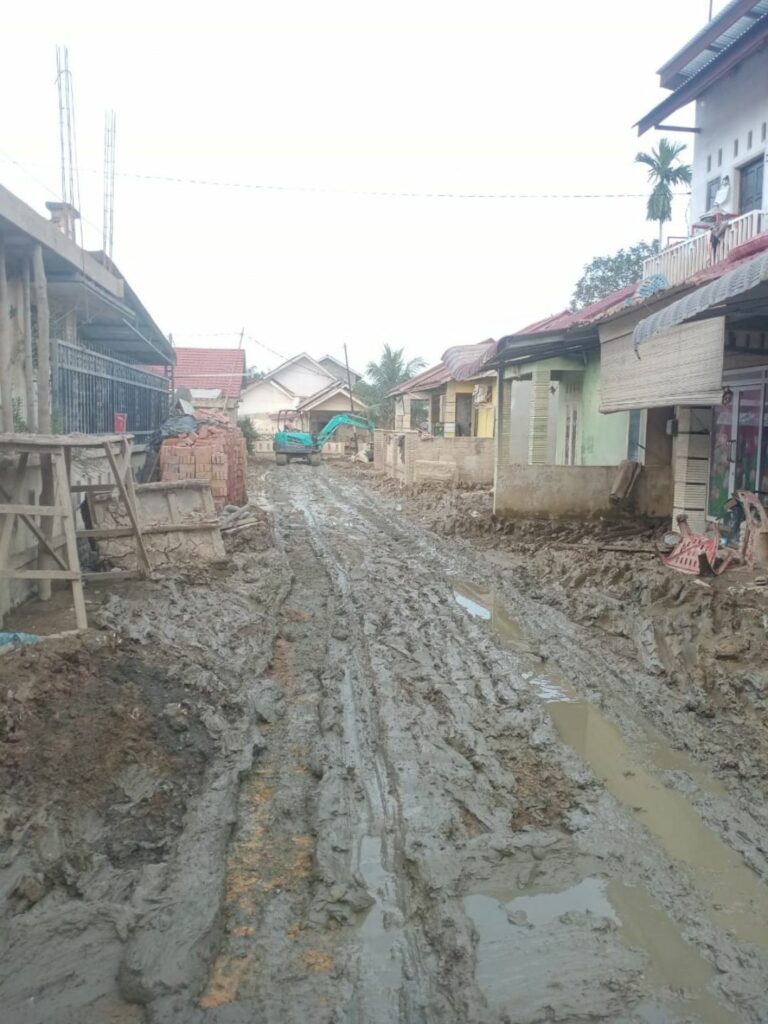
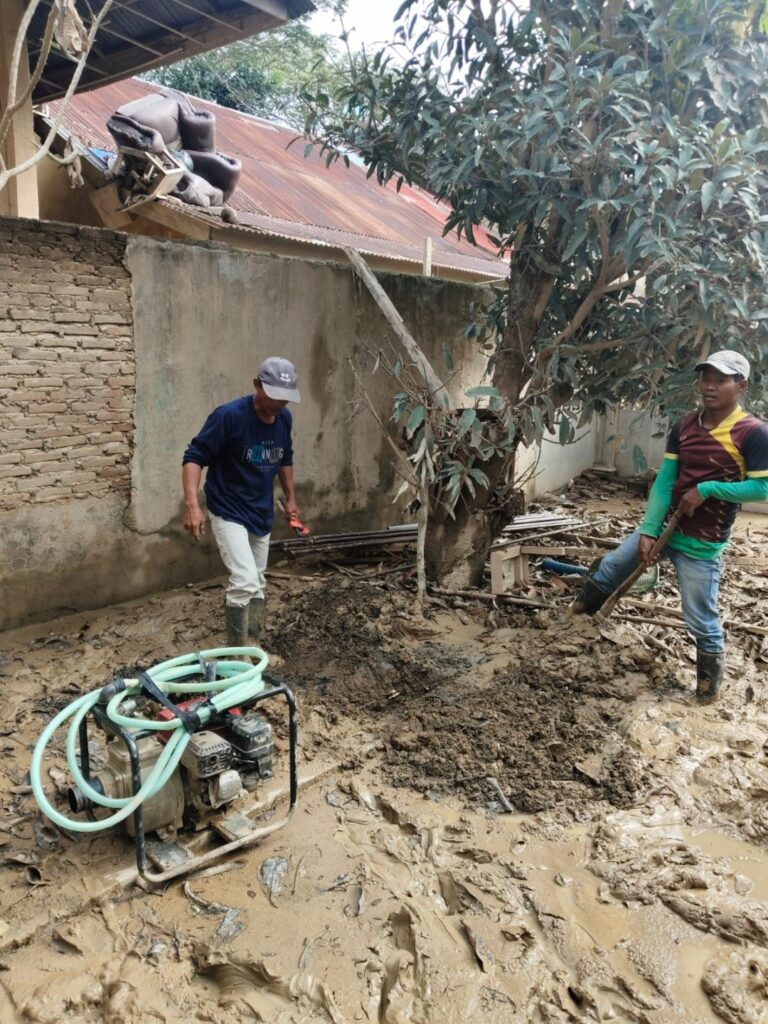
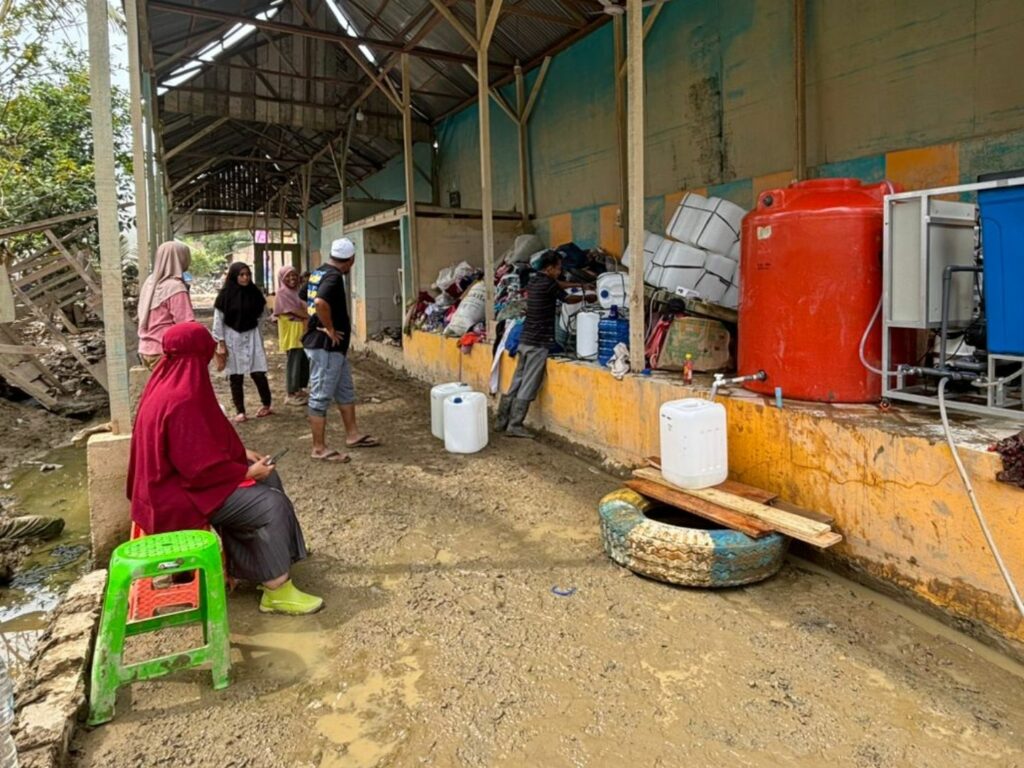
Late November to early December 2025, flash floods struck various regions in Sumatra, from West Sumatra Province to D.I Aceh. This flooding brought not only high water levels but also large amounts of mud and logs. After the water receded, what remained were layers of raised soil, houses buried in mud, blocked roads, washed-out bridges, and damage to various infrastructure. Affected communities struggled to access water due to damaged pipe infrastructure and buried wells. Water refilling businesses were also out of work and unable to function.
Water, a basic necessity for survival, for drinking, cooking, and hygiene, became a urgent requirement. Due to limited availability, some residents were forced to use standing water for cooking, resulting in yellowish rice due to the poor water quality.
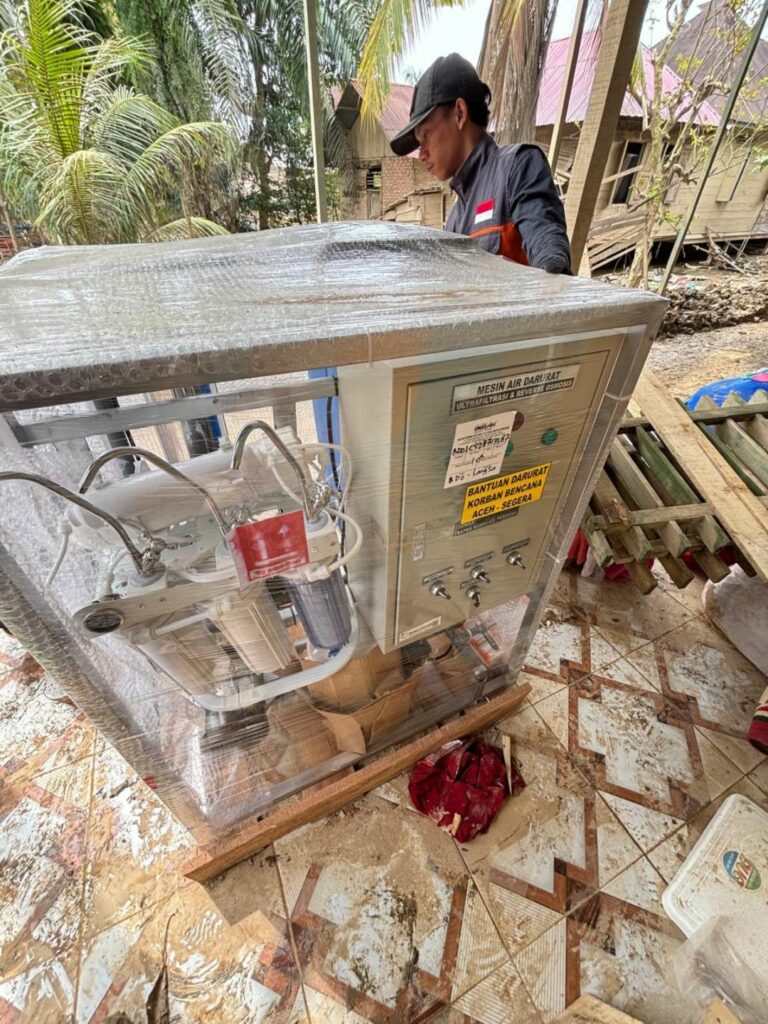
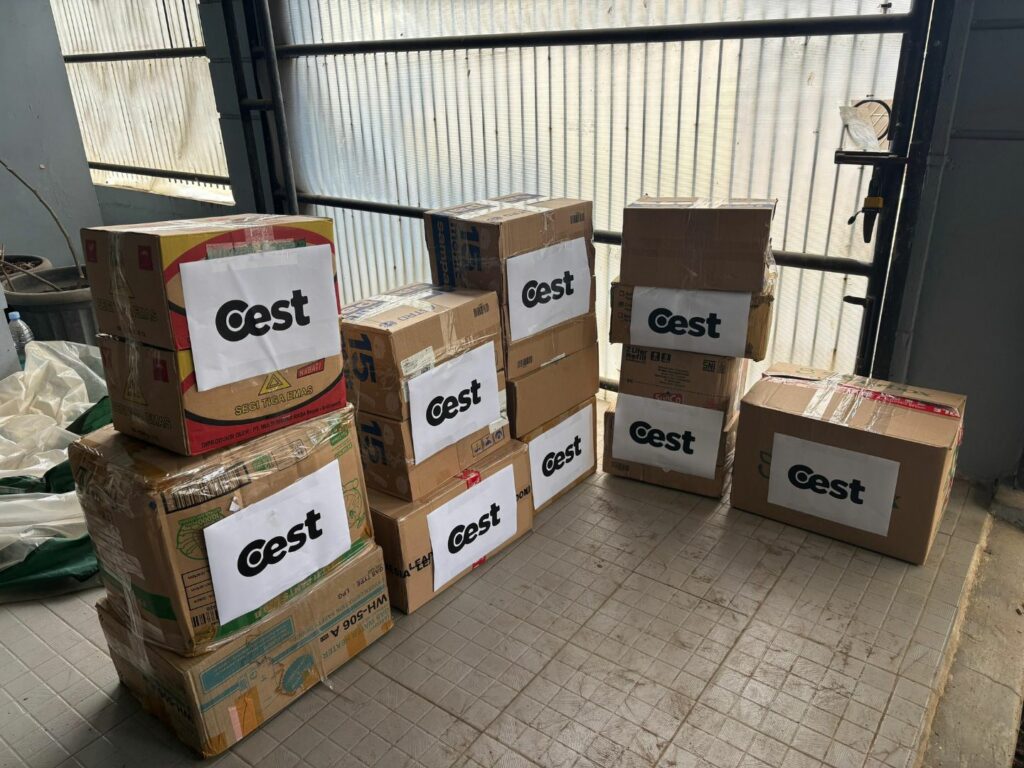
CEST collaborated with good people through social media Threads coordinated such as Mbak Nara (@narayahanafia) and Mas Andik, raising funds with the aim of helping provide clean water for affected communities. The first phase of fundraising managed to gather Rp44,277,126. Separately, Mas Andik also managed to raise funds for the purchase of a portable water filter unit that can filter clean water and drinking water in emergency conditions after a disaster. The fundraising was also accompanied by the collection of suitable and ready-to-wear clothing for men and children and distributed through the Humanity Care institution.
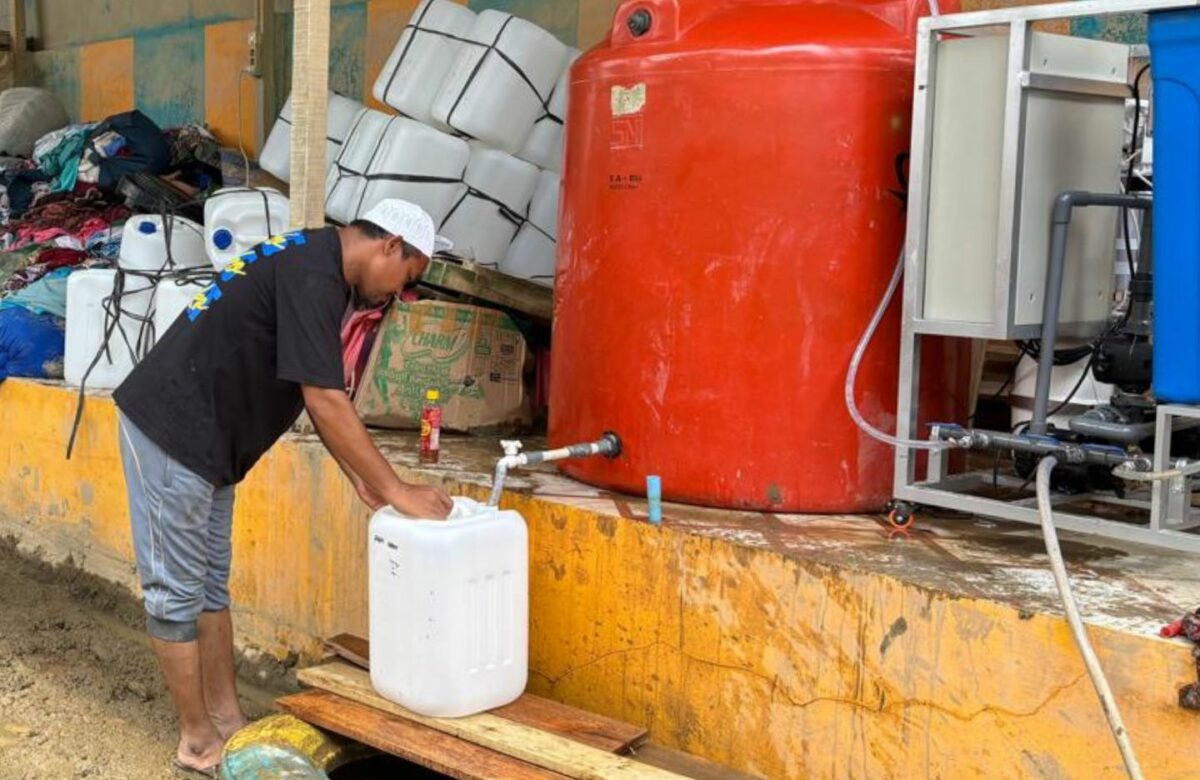
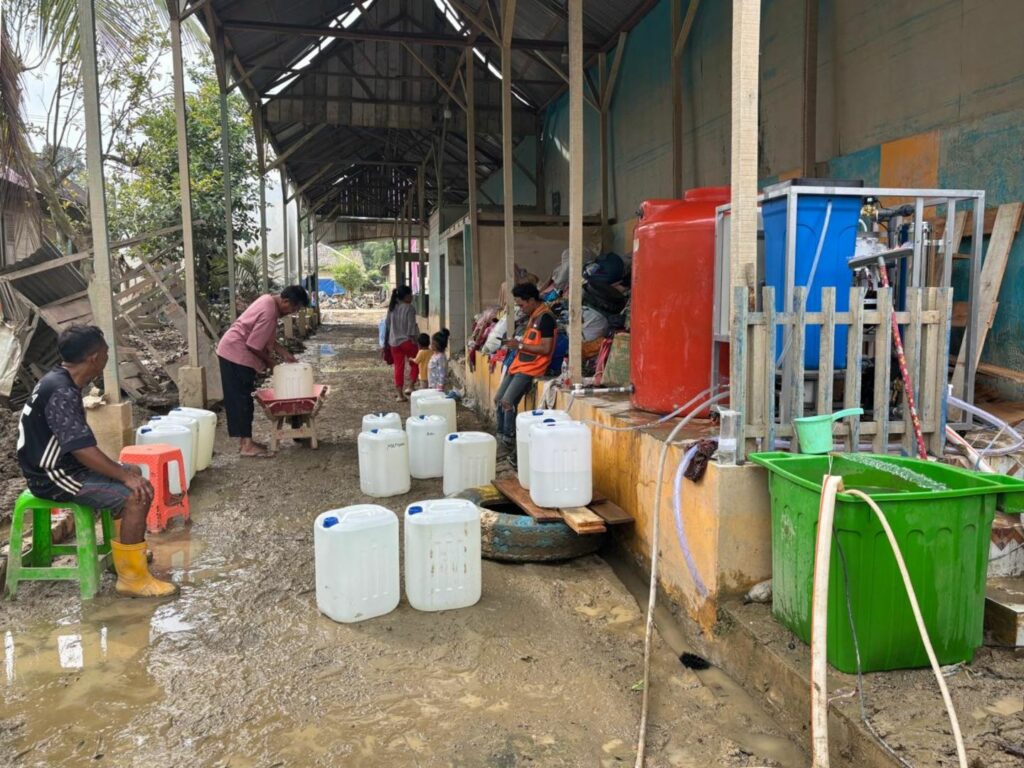
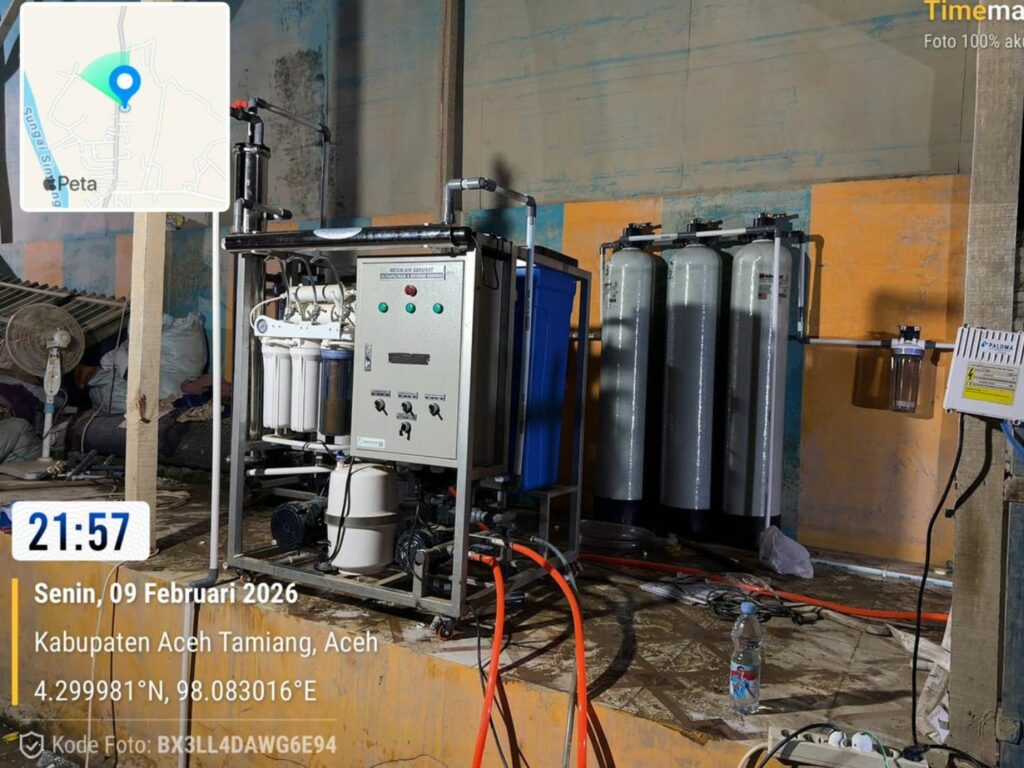
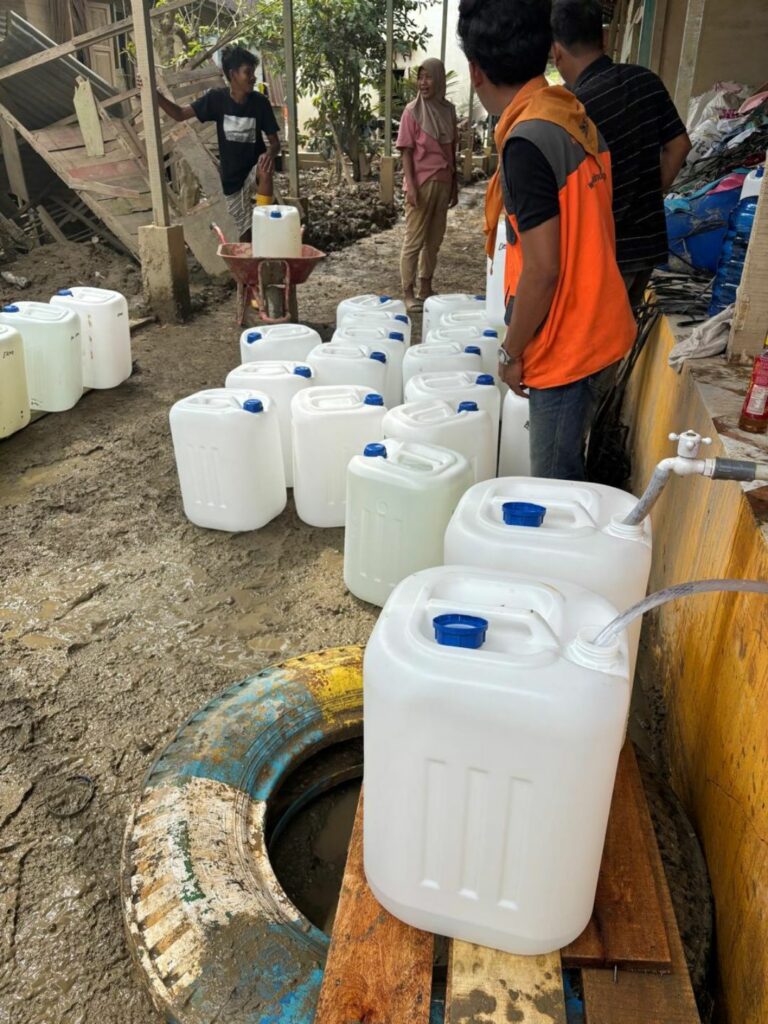
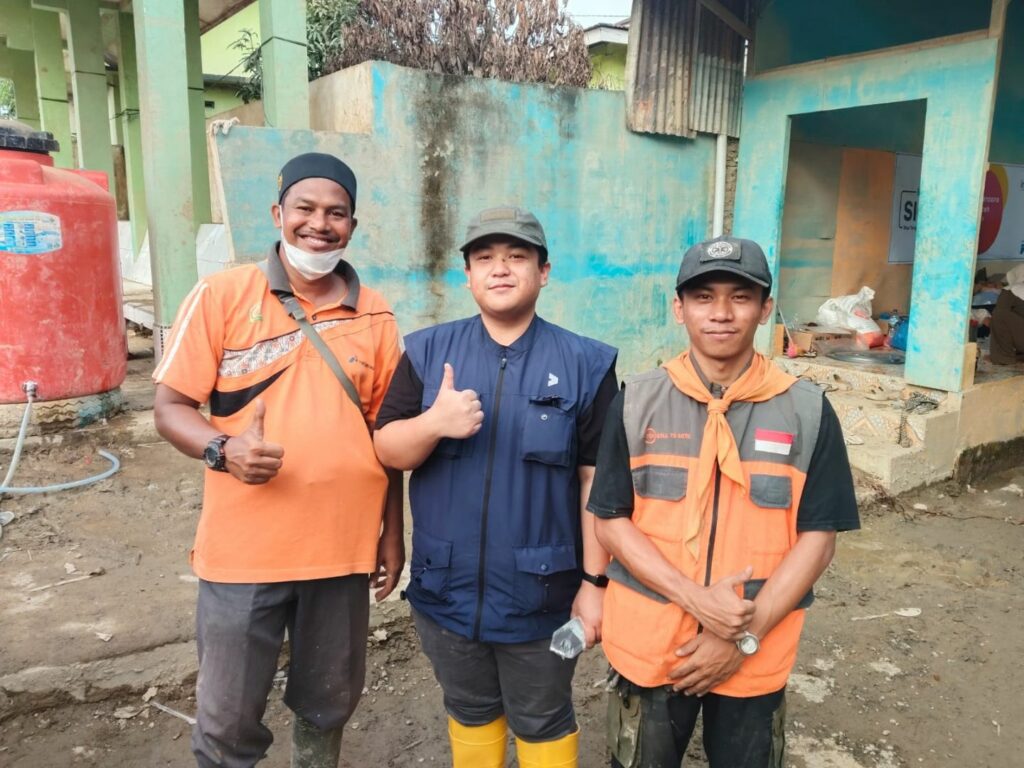
Through the first phase of the donation, CEST sent a personnel to assist in the installation of the water filter in Durian Village, Rantau District, Aceh Tamiang Regency,D.I. Aceh. Along with the filter, CEST also provided a generator as a backup power source to ensure the equipment continues to operate during power outages or instability. To facilitate water distribution to the surrounding community, CEST purchased 30 35-liter jerry cans.
CEST also participated in the second phase of fundraising with Mbak Nara and successfully raised Rp25,000,000 which. Donations were allocated to rent heavy equipment and assist with mud cleanup in the area, contributing IDR 5,000,000. To further increase its impact, IDR 6,260,000 were provided to Call to Action Indonesia to assist with clean water distribution in several other locations. Funds were also used for personal for daily work gear, transportation, and equipment.
The installed water filter source water from a newly drilled well drilled with the contribution of other donors. The donations through CEST was collaborating with a local community leader, Ustadz Muhaimin, to ensure the filter’s operation is sustainable and provides direct and equitable long-term benefits to residents.
Of these funds, Rp12,100,000 has been used to increase the capacity of the filter system to be able to produce water in larger quantities. This capacity increase process is supported by the ITB Alumni Association in Banda Aceh. The remaining donation money will still be allocated for future maintenance and operational needs of the water filter.
Water Research
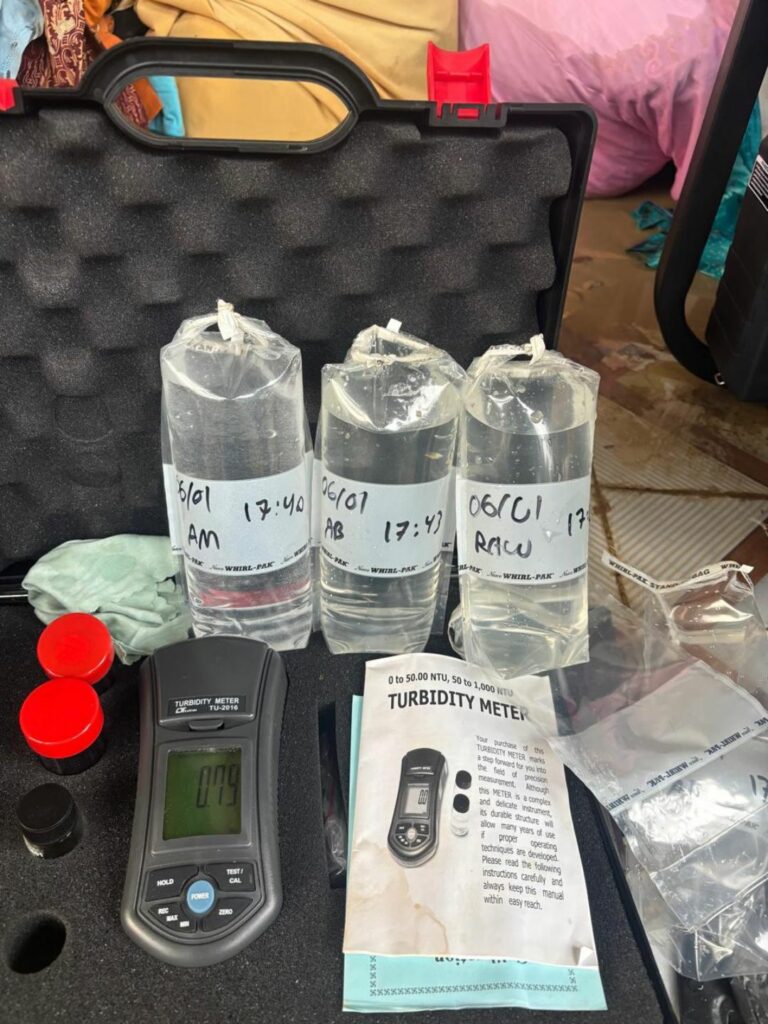
In conjunction with the installation of water filters, the CEST team also conducted water quality research. This research was conducted in collaboration with environmental engineering lecturers from the University of Indonesia, Dr. Iftita Rahmatika and Dr. Cindy Priadi, and was funded through a separate research grant. The research included testing the quality of water used by the community in Aceh Tamiang, including water obtained from tanks, drilled wells, and rainwater. This research was conducted with great care, considering ethical standards and prioritizing the principle of first aid.
The CEST team conducted random sampling and conducted on-site testing of in-situ physical parameters (pH, TDS, EC, turbidity) and microbiological parameters (Total Coliform, E. coli; using filtration methods and Compact Dry EC media). These parameters were sampled to determine bacterial contamination and physical parameters that may be associated with contamination, thereby identifying the microbiological risks of the tested water. Additional samples from various locations were also taken for genomic analysis to assess the genetic characteristics of the detected microorganisms, including the potential presence of virulence and antimicrobial resistance genes, and to better understand contamination patterns and possible sources of contamination.
The output of this research activity is expected to provide an overview of the condition of water quality used by the community in post-disaster conditions, and is expected to provide information and recommendations for related parties such as BNPB, the Health Service, and other parties in emergency response related to water supply.
Join CEST in shaping a sustainable future through research and collaboration.
Discover opportunities to join and collaborate with us in creating impact in addressing global environmental challenges.

 English
  Bahasa Indonesia