

Is a science forum just about science?
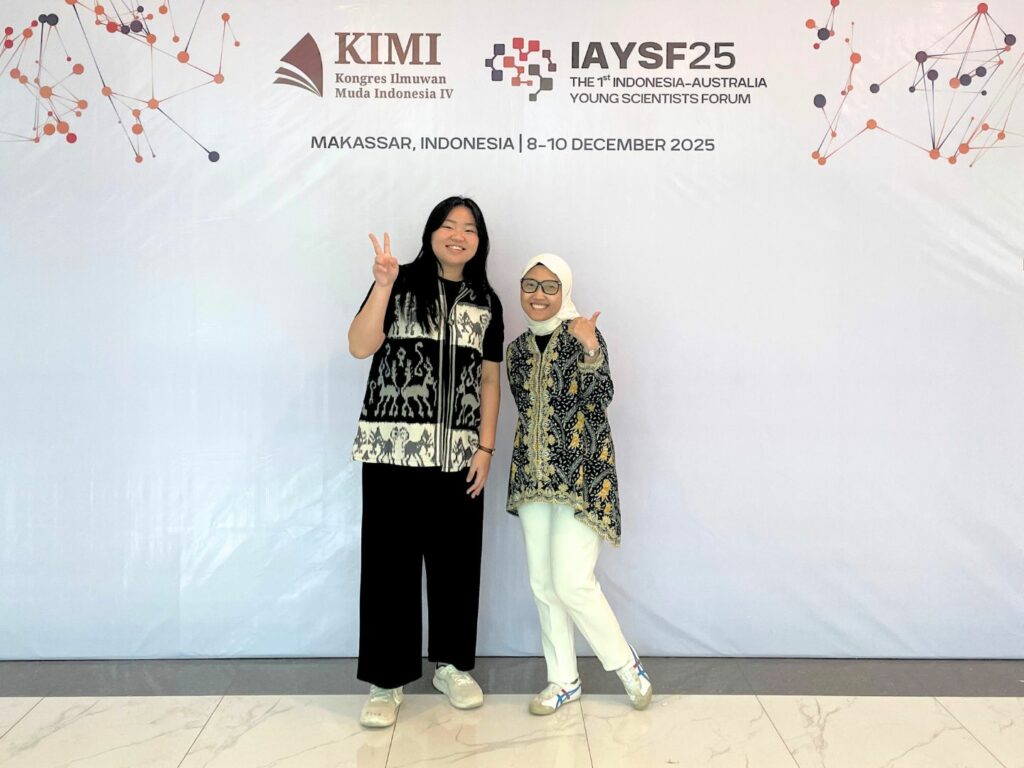
On 8-10 December 2025, the Fourth National Congress of Indonesia Young Academy (KIMI/Kongress Ilmuwan Muda Indonesia), which is held annually by Indonesia Young Scientist Academy (ALMI/Akademi Ilmuwan Muda Indonesia) was held in conjunction with the first Indonesia-Australia Young Scientist Forum (IAYSF). Carrying the theme “Inclusive Science Leadership and Coalition Building between Young Scientists in Indonesia-Australia”, this event aims to foster research collaboration and develop networking among young scientists in Indonesia and Australia by prioritizing inclusive science leadership (ISL).
At this event, the panel sessions and workshop materials were interesting and insightful because they sparked many reflections, including ideas that have rarely been expressed and discussed openly, including in the academic world. During a panel discussion, a speaker revealed types of persistent problems that are not aligned with the ISL value.
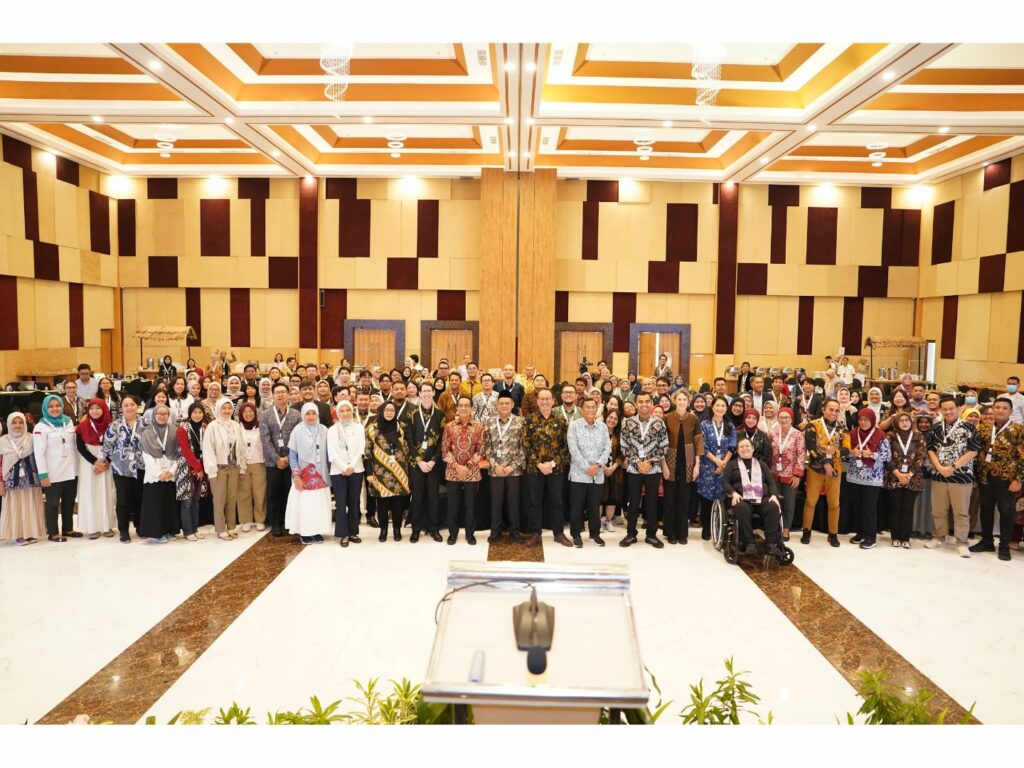
Reflecting on current diversity in science
This absent value still present in some conservative academic or research institutions today. One example is exclusive practice, such as all-male panels, the marginalization of discipline, and the exploitation of junior staff, the community, or the environment. Diving into a more specific example, women are placed as second priority for a structural position or a role on a research team. Particularly young women, considerations include marital status and having children under five years old, assuming they do not have time flexibility. The considerations are not based on substantial matters such as competencies, but on personal matters.
Another practice in discussion is about the marginalization of discipline. Academic communities on every level have particular research directions, which is generally determined by the majority expertise or interest of the faculty members. Besides that, the research agenda could also be decided only at a high level (top-down). As a result, faculty members with minority expertise or interest are frequently overlooked, even though their knowledge and expertise have the potential to be collaborated on and to enrich research outputs and outcomes.
Another issue is, researchers who are developing research based on their ambitions rather than answering the community’s real problems. The community’s needs have often been used as a frame to accommodate their research ideas and to support their reputation. In some cases, the research project is not really motivated by a sincere intent to solve community problems. The communities are often treated only as research objects, with no continuity and no real benefit for them after the research project is finished.
New approaches in inclusive research collaborations
Empathy and open-mindedness are two ideas that emerge from KIMI-IAYSF workshop participants as key enablers for advancing the principle of ISL. Across the three cases discussed above, both enablers are essential for reforming conservative mindsets that may hinder the inclusive practices.
Through empathy, individuals may attempt to place themselves in others’ position by considering different points of view, whether as discussion partners, research collaborators, or members of the communities involved in research. This perspective may help us better understand what others’ needs, challenges, and expectations are. In addition, open-mindedness may help us accept new ideas. It does not mean we should agree with their opinion, but it may help us see some problems more objectively.
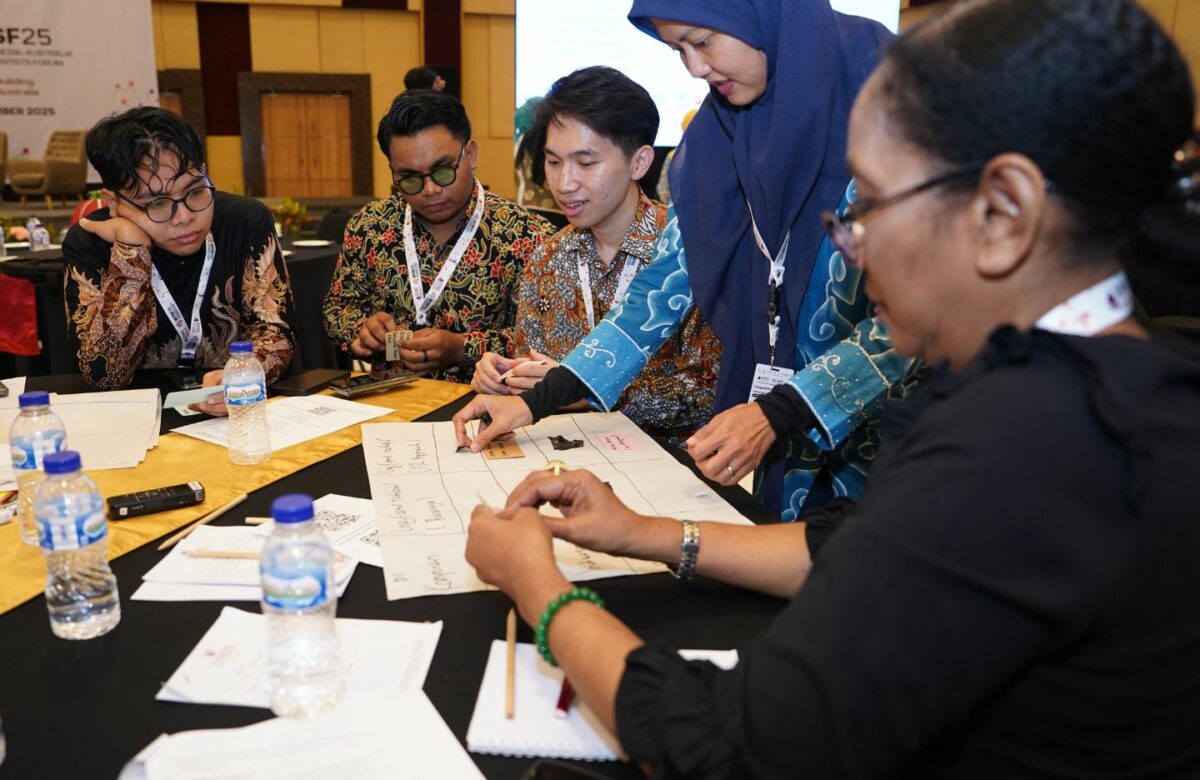
However, cultivating empathy and open-mindedness is not an easy process and requires time; challenges that were found in this forum. In one group during a small-group discussion to develop a research collaboration plan, decision-making on research design was dominated by several participants, even though the ISL value workshop had been held the day before. These participants had similar research backgrounds, which strongly influenced the direction of the discussion. As a result, the discussion focused too much on one topic and unintentionally overlooked a member with a different research background.
Based on this simple case, this observation highlights the importance of empathy and open-mindedness as two essential qualities for a leader. Leaders who have cultivated these values are more likely to provide time and space for open reflection, eliminate barriers between senior and junior staff, appreciate diverse perspectives, and maintain balance in decision-making processes. At a larger scale, such as at the institutions or organizations level, mentorship from such leaders, who already possess these values, to the next generation of young researchers may play an important role in ensuring the ISL principles are continuously implemented.
 English
  Bahasa Indonesia