

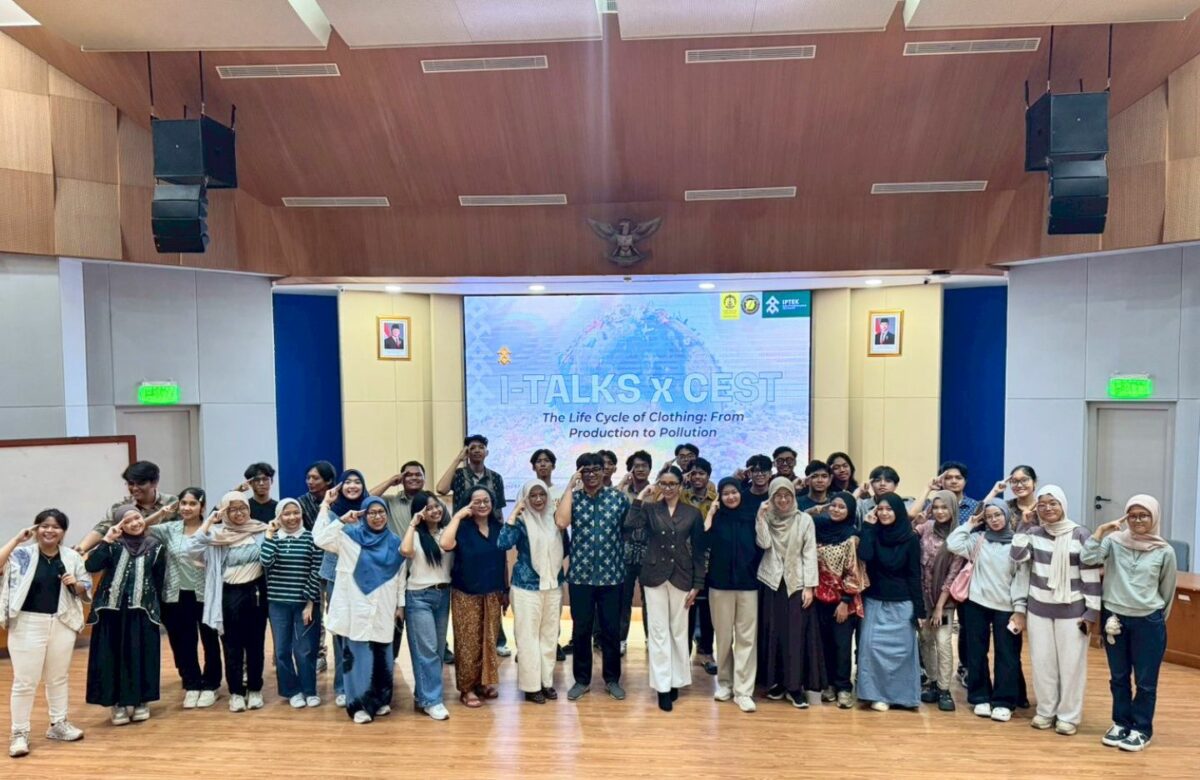
After watching Menolak Punah, one question comes to mind: Who has to deal with the waste we leave behind through our fashion choices?
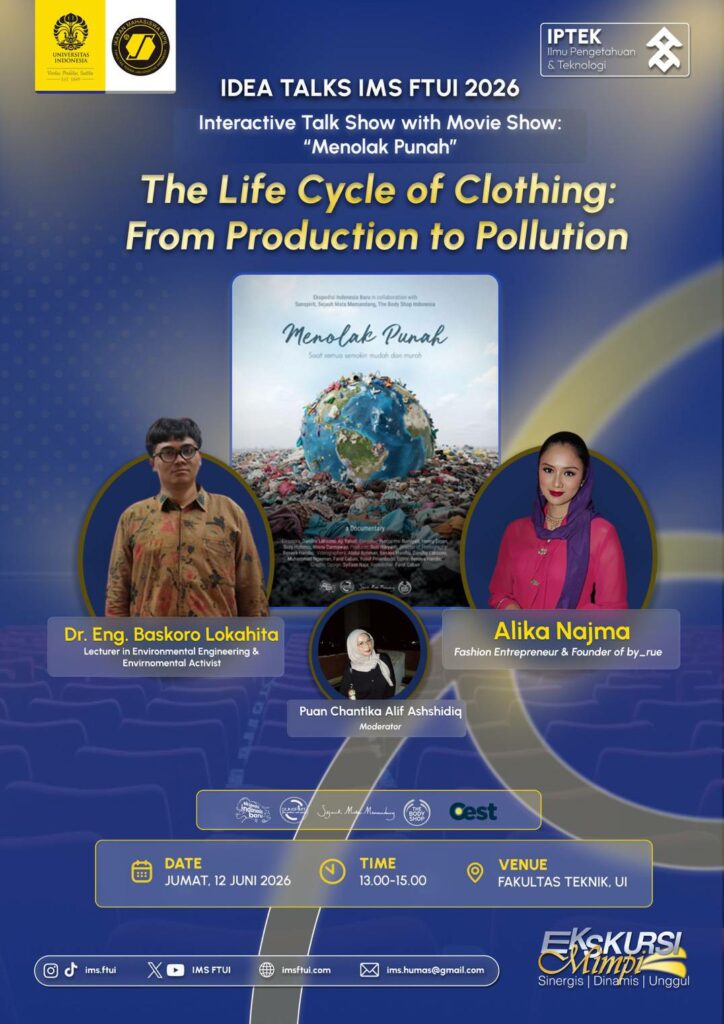
On 12 June 2026, CEST collaborated with the Civil and Environmental Engineering Student Association (IMS), Universitas Indonesia, to host a screening of Menolak Punah, a documentary exploring the environmental and social impacts of fast fashion. Directed by Dandhy Laksono and Aji Yahuti, the film was produced in collaboration with Ekspedisi Indonesia Baru, The Body Shop Indonesia, Sunspirit, and Sejauh Mata Memandang.
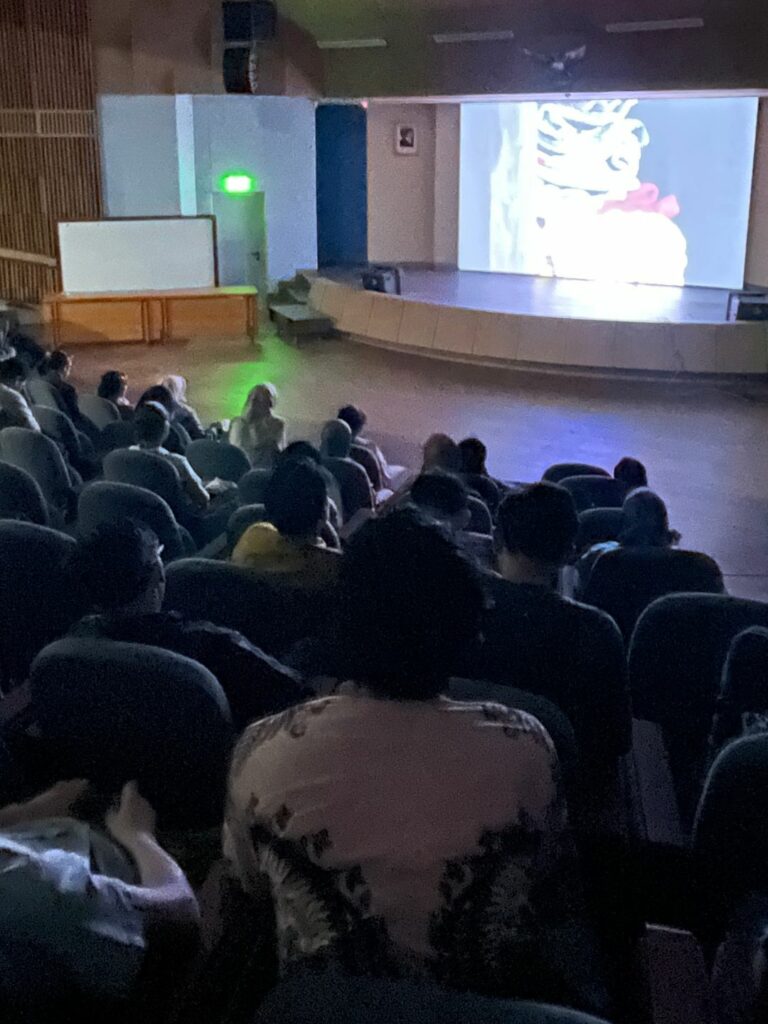
The documentary unravels the hidden consequences of the fashion industry, from Indonesia becoming one of the countries receiving imported textile waste to the rise of fast fashion consumption. It also raises thought-provoking questions about the country’s relationship with textiles, including the irony that cotton, an important commodity, is no longer cultivated in Indonesia, despite its historical significance.
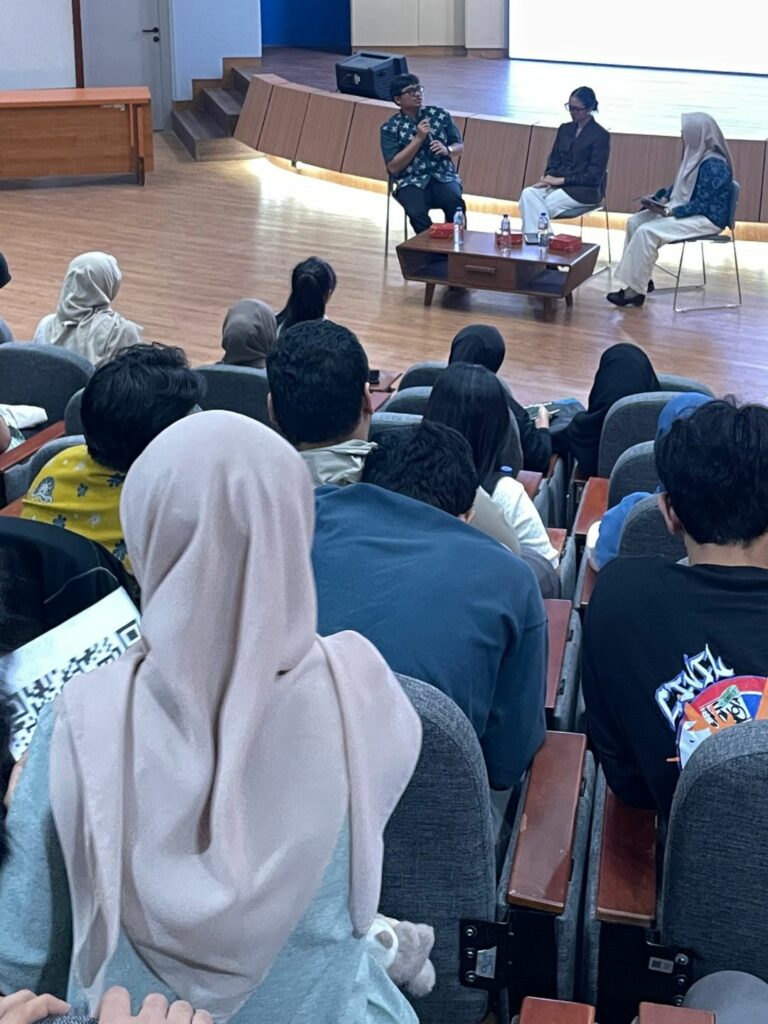
The screening was followed by a public discussion titled “The Life Cycle of Clothing: From Production to Pollution,” featuring two speakers who offered different but complementary perspectives on the issue.
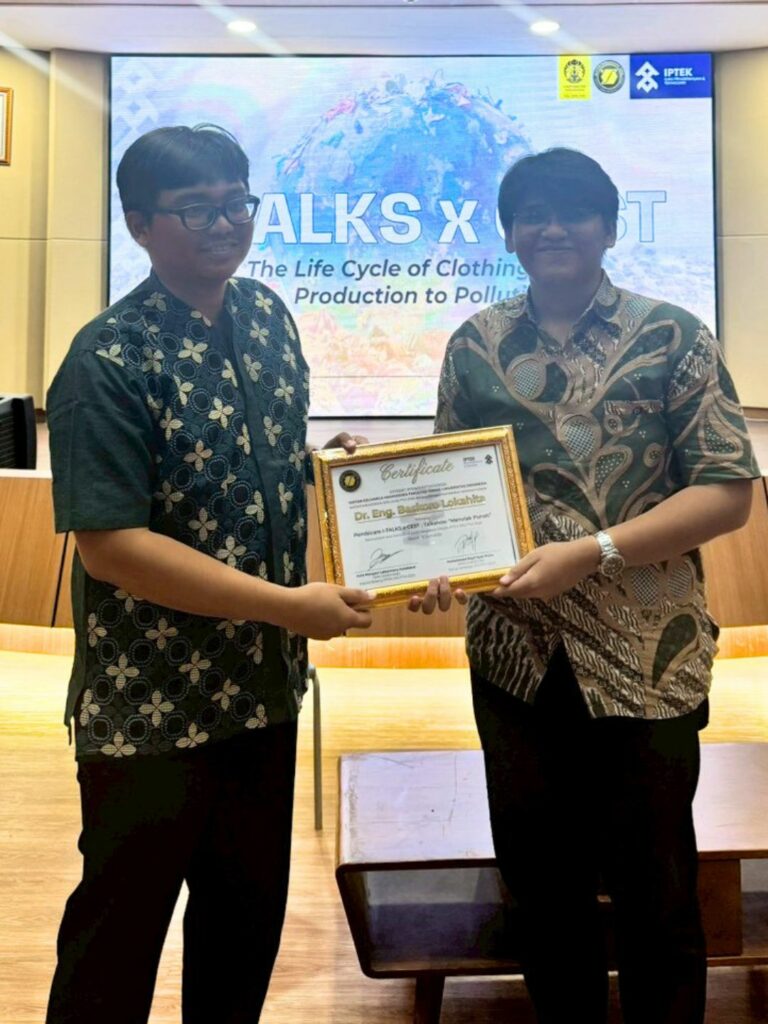
Dr. Eng. Baskoro Lokahita, a lecturer in Environmental Engineering at Universitas Indonesia, reminded participants that waste is an inevitable part of human activity. Every production process creates waste; therefore, the challenge is not eliminating waste entirely, but managing and minimizing it. While waste management often focuses on what happens at the end of a product’s life, he emphasized that reduction should begin much earlier by designing systems that prevent unnecessary waste from being created in the first place, a principle at the heart of the circular economy.
Offering insights from within the fashion industry, Alika Najma, fashion entrepreneur and founder of by_rue, spoke about clothing as both a necessity and a form of self-expression. However, she encouraged participants to make mindful purchasing decisions by choosing garments based on quality, comfort, and longevity rather than rapidly changing trends. Conscious consumption, she explained, is one of the simplest yet most meaningful ways individuals can reduce fashion waste.
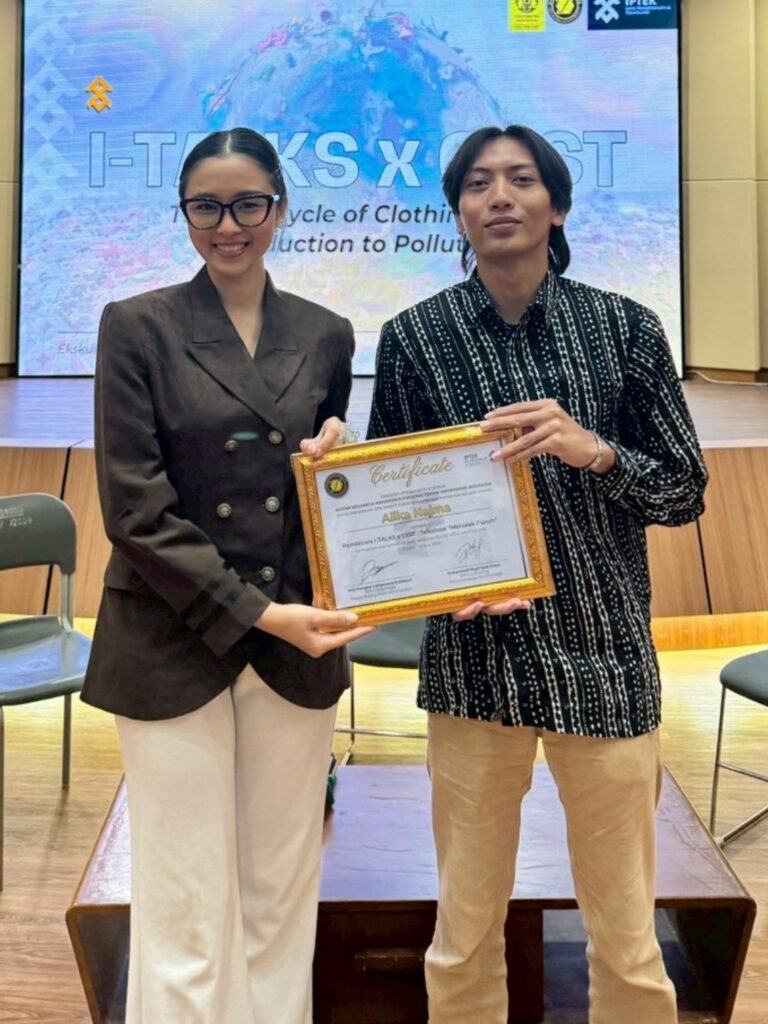
The event welcomed 36 participants, the majority of whom were university students. Although attendance coincided with the end of the examination period. More importantly, the conversations about sustainability continues to resonate with young people who are eager to understand the environmental consequences of everyday choices.
For CEST, this collaboration was more than a film screening. It was an opportunity to make sustainability knowledge more accessible, foster meaningful dialogue especially within civil and environmental engineering, and create a space where students could exchange ideas and experiences. Beyond sharing information, the event reflected the importance of building communities that are willing to learn, question, and take action together.
The challenges surrounding fast fashion cannot be solved through a single discussion or event. Yet every conversation that encourages people to think more critically about what they buy, wear, and discard is a step in the right direction. We hope this collaboration marks not the conclusion of a conversation, but the beginning of many more towards a future where our choices reflect not only our personal style, but also our responsibility to the planet.
 Bahasa Indonesia
  English