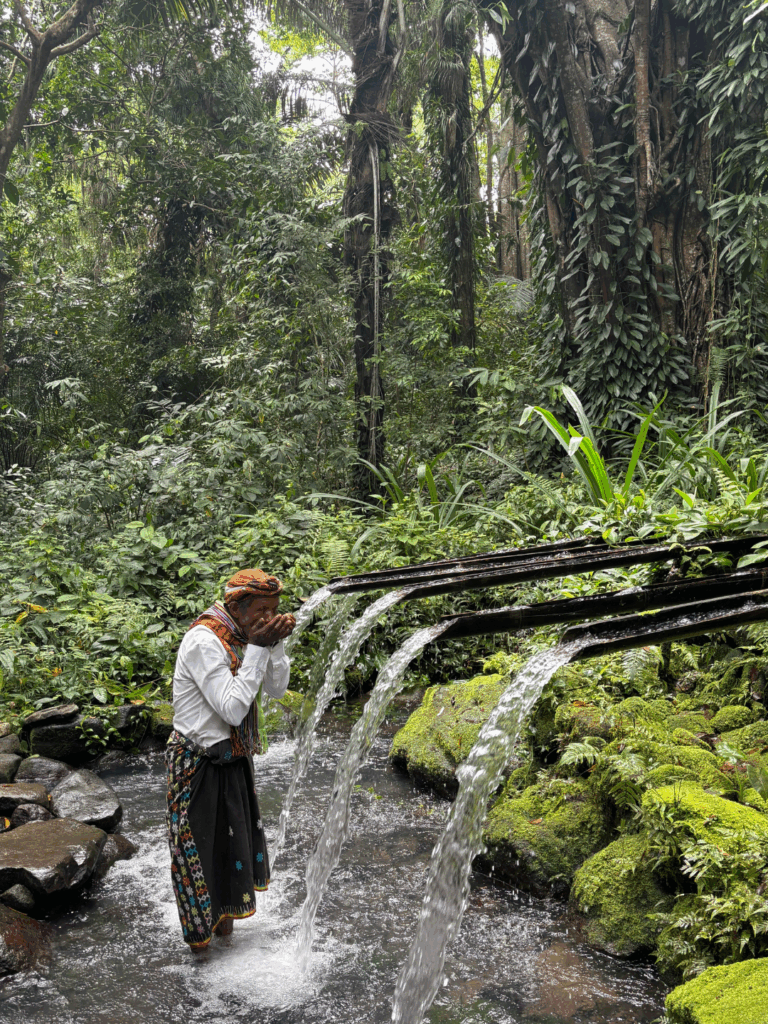
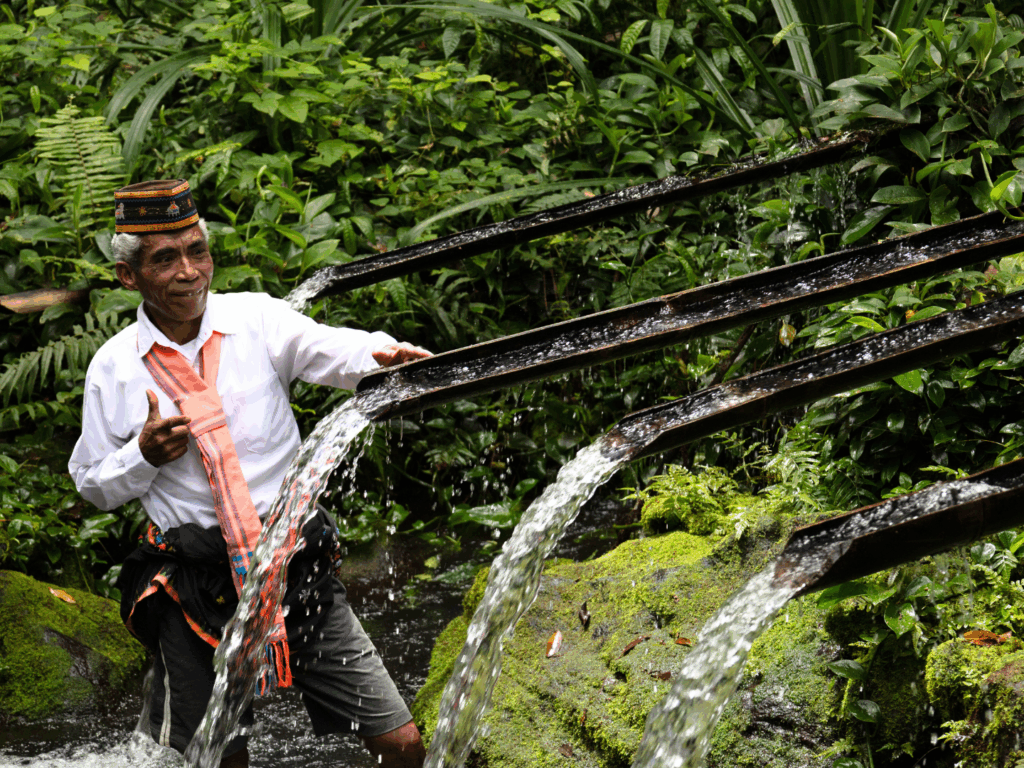
In the communities surrounding Wae Telang, a sacred spring in West Manggarai, Flores, water has never been viewed simply as a resource. It is part of a living relationship between people and place, maintained through indigenous knowledge that have protected freshwater sources for generations.
Today, however, that relationship faces new pressures. West Manggarai has become one of Indonesia’s fastest-growing tourism destinations. While it brings economic opportunities, tourism also increases demand for freshwater in a region where water availability is already vulnerable to seasonal changes. At the same time, many young people are leaving their villages to pursue work opportunities following this growth. The younger generation is also embracing new media and lifestyle, which slowly threatens the wisdom in protecting the surrounding nature.
The challenge raises an important question: What happens when the stories that protect a landscape begin to disappear?
MATA WAE – The Project
MATA WAE or “the eyes of water”, is an initiative that bring together indigenous knowledge, storytelling, and environmental science.
Location : Lendong and Munting Village, West Manggarai, East Nusa Tenggara, Indonesia.
Duration : May 2026 – December 2027.
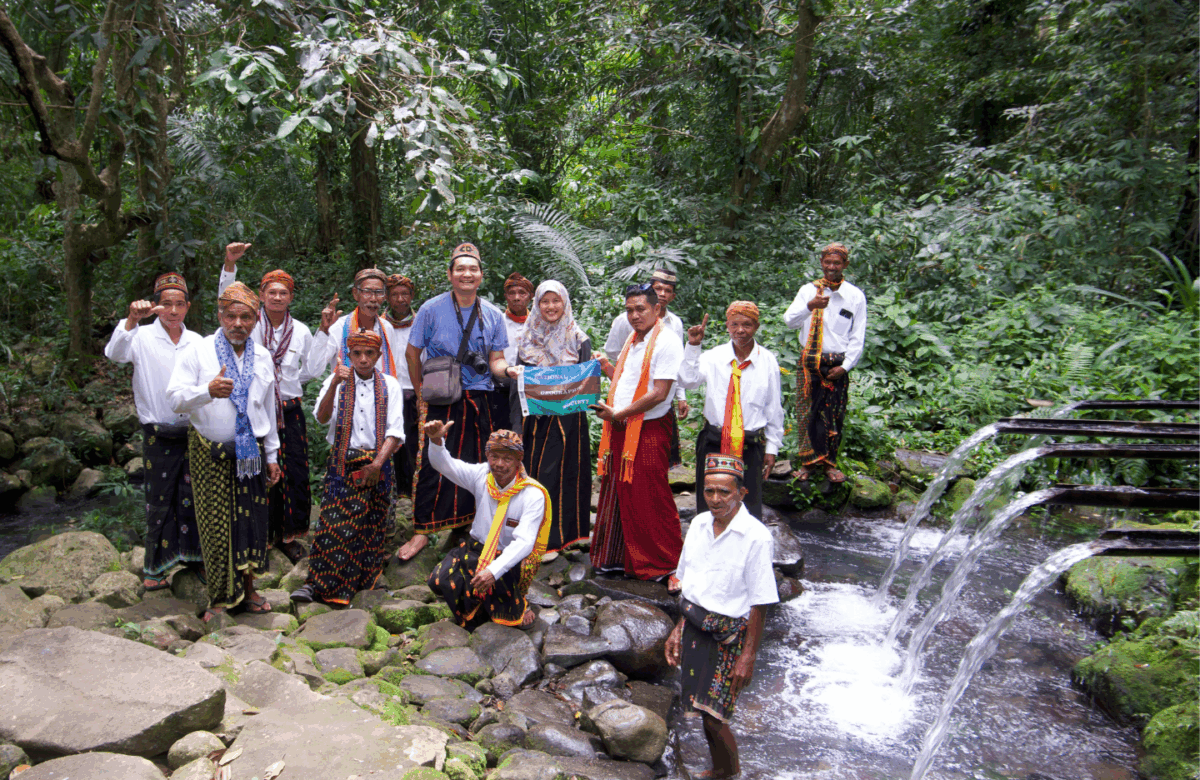
Working with communities in Munting and Lendong Villages, the project explores how cultural memory can strengthen freshwater resilience in a rapidly changing world.
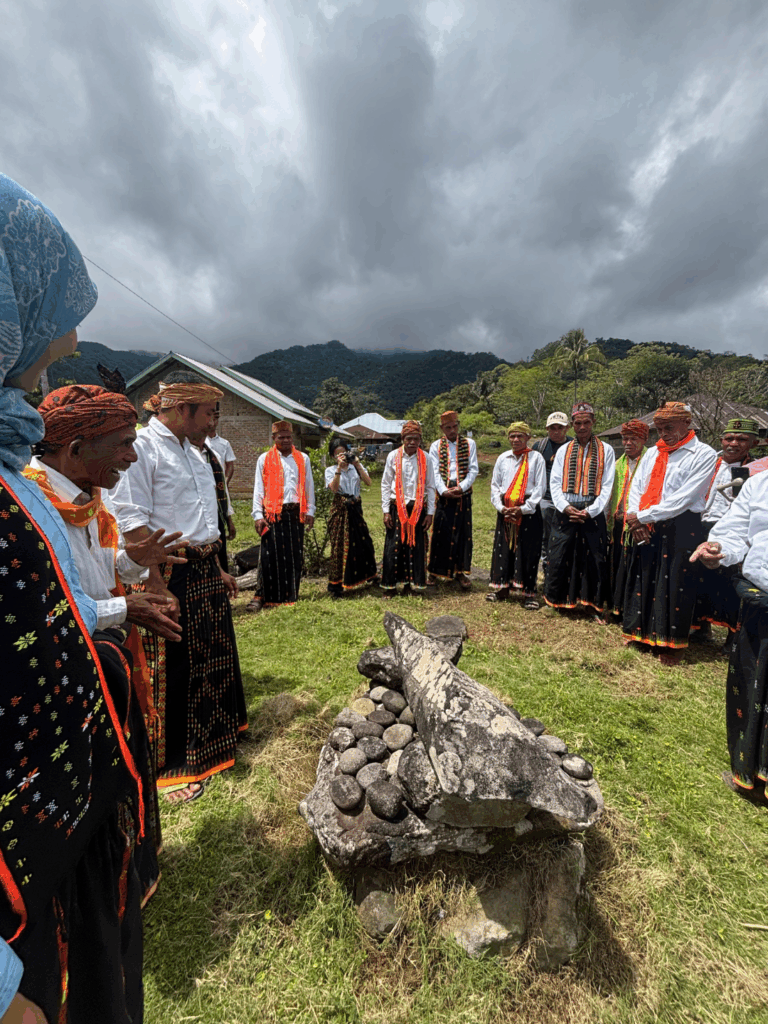
Rather than treating local knowledge as something belonging only to the past, the project views it as a vital resource for the future. Elders carry generations of understanding about water sources, sacred forests, and customary conservation practices. Young people bring new tools for documenting and sharing those stories. Together, they are creating new ways to understand and protect their environment.
Activities
Main activities during the project include:
Cultural and scientific exploration; Scientific research will complement these efforts. A socio-hydrological study will examine the connections between people, culture, and water, providing insights into how indigenous stewardship has shaped local freshwater resilience.
Community exhibition & storymap; Through participatory storytelling, they will record not only the physical geography of Wae Telang but also the knowledge embedded within it: the beliefs, histories, and practices that have helped sustain freshwater systems across generations.
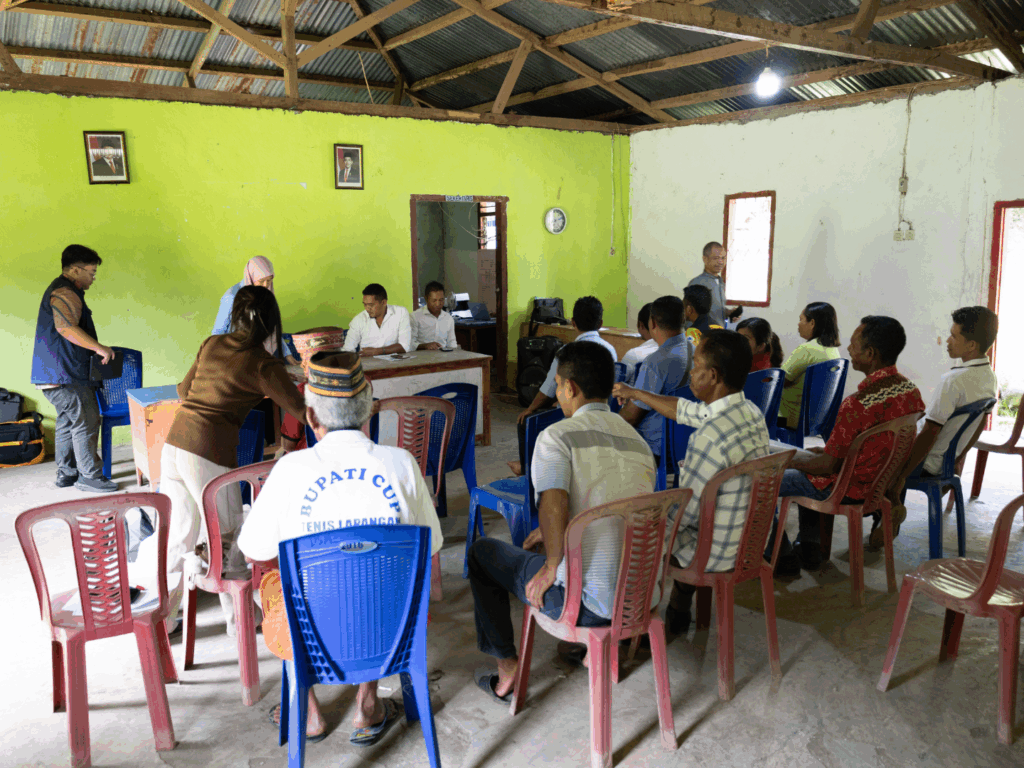
Policy dialog with the local government.
Tree-planting activities, community exhibitions, and policy dialogues will further connect local experiences with broader conservation efforts.
For project participants, the work is also deeply personal. Young people gain opportunities to reconnect with knowledge that might otherwise fade from memory. Elders find new audiences for traditions that have long guided environmental stewardship. Women, youth, and persons with disabilities are supported as storytellers, helping ensure that conservation narratives reflect diverse experiences and perspectives.
Photo by Michael Eko.
Expected outputs
Photobook & education tool kit
Interactive story map
Community exhibition
Academic paper on the socio-hydrology of Wae Telang
Draft of village regulation (Perdes) on adat conservation
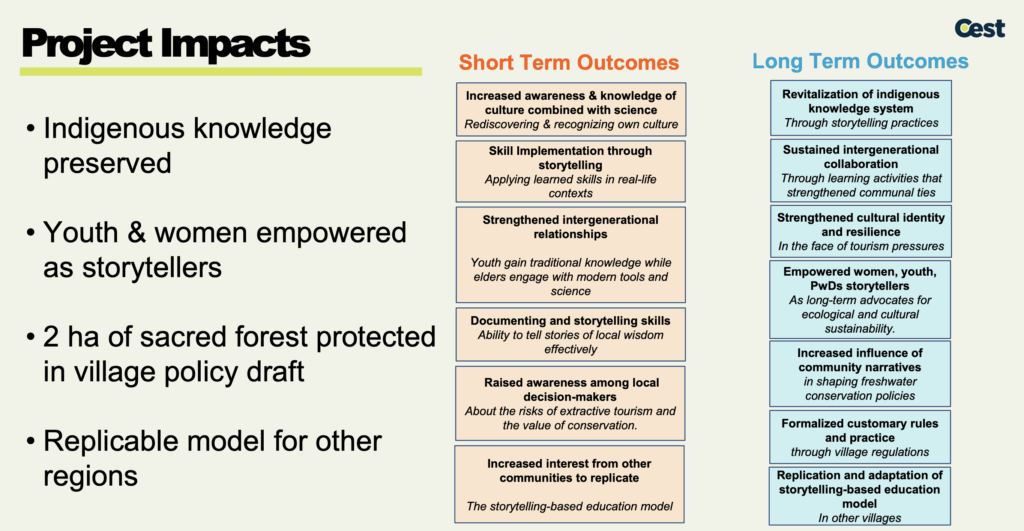
These outputs are not simply records of cultural heritage; they are tools for education, advocacy, and conservation. It is hoped that the impact will affect preservation of indigenous knowledge, brings light to youth and women storytellers, and a preserved portion of the sacred forest protected within the drafted regulation.
Photo by Michael Eko.
The Team
The project is coordinated through CEST with Akna Ilmi as project leader. While studies and outputs are lead by:
Cindy Priadi – Indonesia Environmental – Scientist Engineer
Michael Eko – Indonesian Photographer
Yingshan Lau – Singapore Socio-hydrologist
Nick Okafor – USA Design Researcher
The project’s impact may extend far beyond West Manggarai. By demonstrating how storytelling can support freshwater conservation, MATA WAE offers a model that other communities can adapt to their own cultural and ecological contexts.
Across the world, conservation efforts often focus on protecting species, forests, or ecosystems. MATA WAE highlights another essential element: the knowledge systems that help people care for those places.
In West Manggarai, protecting water means more than safeguarding springs and forests. It means preserving the stories that have guided communities for generations—and ensuring those stories continue to shape the future.
Because when knowledge flows from one generation to the next, so will the water.




 English
  Bahasa Indonesia